
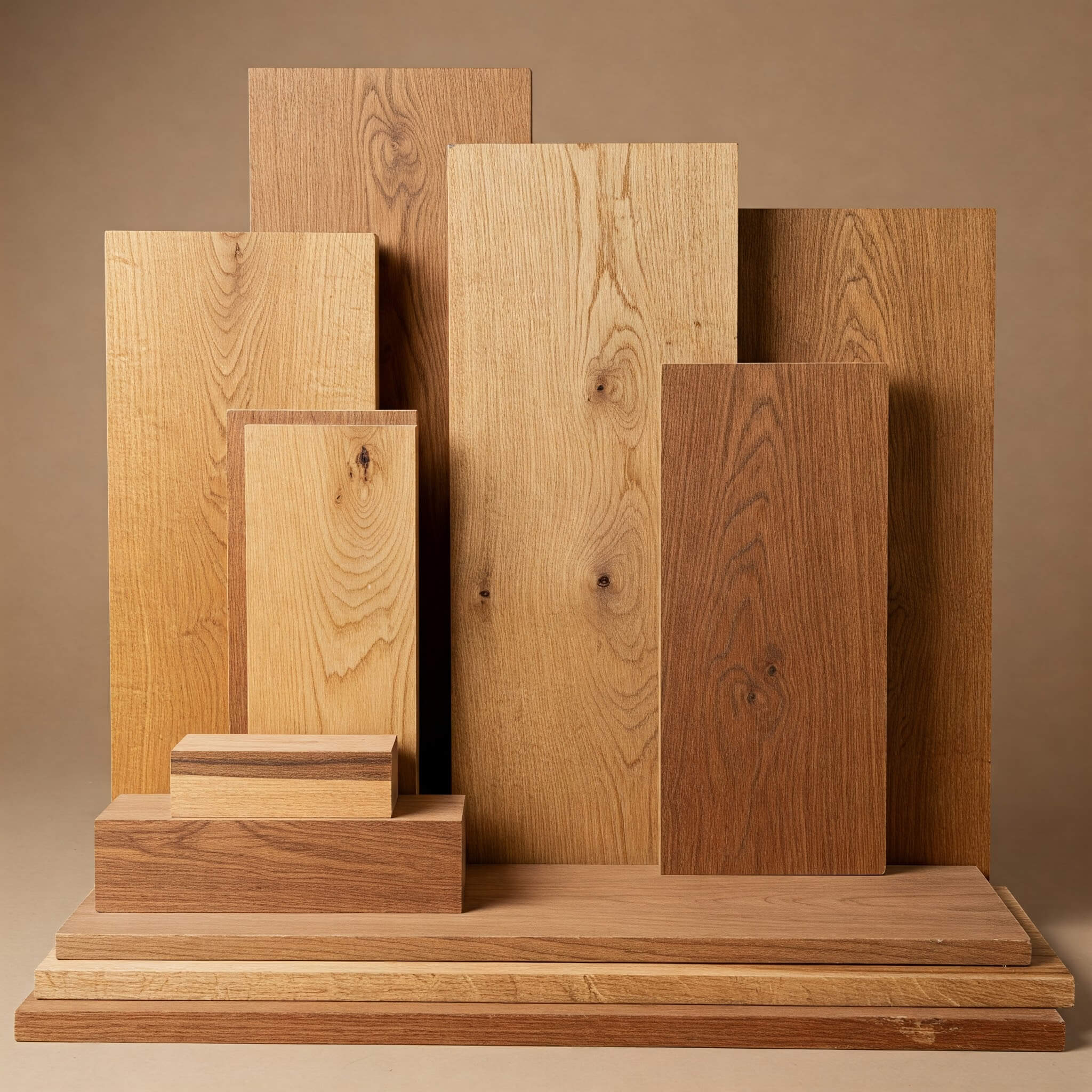
If you’re thinking about having custom real wood furniture built for your home, you’ve probably come across terms like “4/4,” “6/4,” or “8/4” when talking to a woodworker or browsing options online. These numbers refer to hardwood thicknesses—and they matter more than you might think.
In this post, we’ll break down what hardwood thickness really means, how it affects pricing, and why choosing thicker hardwood can be a smart long-term investment for your custom furniture.
What Do Hardwood Thickness Numbers Mean?
Hardwood is often sold in quarter-inch increments. When you hear “4/4 hardwood,” it means the board is 4 quarters of an inch, or roughly 1 inch thick in its rough, unfinished state.
Here’s a quick cheat sheet:
- 4/4 (Four-Quarter): Roughly 1″ thick (finished to around 3/4″)
- 6/4 (Six-Quarter): Roughly 1.5″ thick (finished to around 1-1/4″)
- 8/4 (Eight-Quarter): Roughly 2″ thick (finished to around 1-3/4″)
- 10/4 or 12/4: Thicker boards used for substantial furniture pieces
The final thickness depends on how the wood is milled and dried, but thicker boards give woodworkers more strength and flexibility in design.
 Why Is Thicker Hardwood More Expensive?
1. More Raw Material
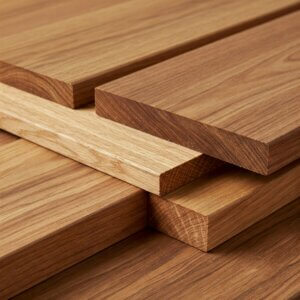
Thicker boards come from larger parts of the tree. A board that’s 2 inches thick (8/4) has twice the volume of a 1-inch thick board (4/4), which means more wood—so naturally, it costs more.
2. Rarity and Availability
Wide, thick, and clear boards (free of knots or defects) are harder to find. They often come from older trees, which are less available. This limited supply drives up the cost. Learn more from this wood grading guide.
3. Longer Drying Time
Thicker hardwood takes significantly longer to dry, especially if it’s kiln-dried. This increases overhead costs and time for suppliers and manufacturers.
4. Increased Labor and Tooling
It takes more effort and stronger tools to cut, sand, and finish thicker boards. That extra labor and wear on equipment factors into the cost of your finished furniture piece.
Benefits of Thicker Hardwood in Furniture
- Greater Strength: Essential for tables, benches, or bed frames
- Luxury Look: Thick tops and legs give a bold, high-end feel
- Long-Term Durability: Less likely to warp or split over time
- Refinishable: Can be sanded and refinished multiple times over decades
Is Thicker Always Better?
Not always—it depends on your project. A modern floating shelf might only need 3/4″ thickness, while a farmhouse table looks better with 1.5″ or 2″ thickness.
This is why working with a professional furniture builder matters. We help you balance style, durability, and cost to bring your vision to life.
Final Thoughts
Hardwood thickness directly affects both the quality and price of custom wood furniture. While thicker hardwood may cost more up front, it often pays off with superior durability, a premium appearance, and long-term value.
Have questions or ready to get started? Contact us today to discuss your project. We’ll walk you through hardwood options, finishes, and designs that fit your lifestyle and budget.